
How to Roll Gemstone Dice Without Breaking Them: Care & Dice Tray Guide
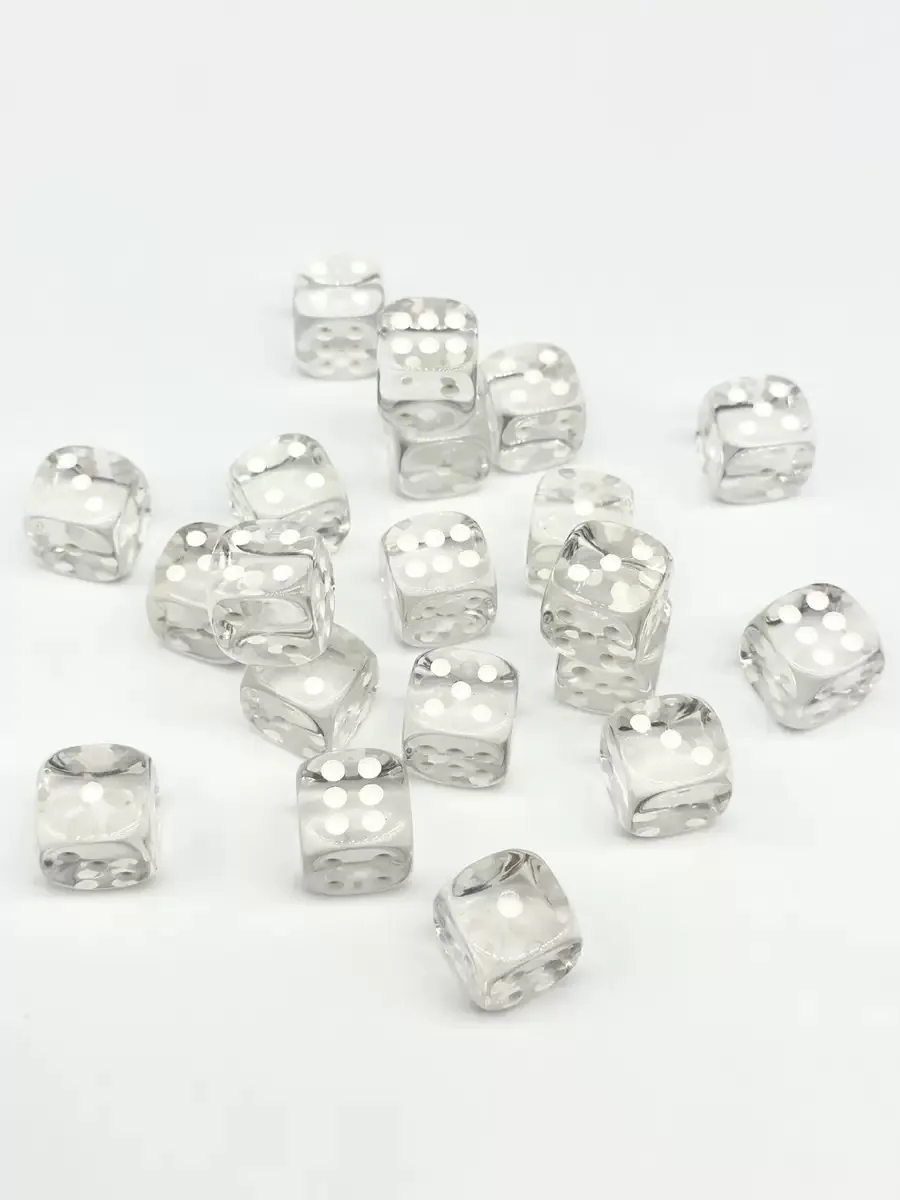
Gemstone dice are one of the most satisfying upgrades a tabletop player can make — the weight, the coolness of real stone, the way light moves through amethyst or across tiger eye. But they come with one honest trade-off that plastic and resin dice do not have: natural stone is harder than acrylic yet also more brittle, so a bad roll onto a hard surface can chip an edge or crack a corner. The good news is that with a few simple habits, a quality gemstone set will happily survive years of play. Here is exactly how to protect them.
Why gemstone dice chip (and which stones are most fragile)
Whether a die chips comes down to two things: the hardness of the stone and the force of the impact. Denser, tougher stones like obsidian, black onyx, and agate shrug off normal play. More crystalline or banded stones — clear quartz, rose quartz, amethyst — are beautiful but have natural cleavage planes, so a sharp corner hitting a hard tabletop takes the most risk. The single biggest cause of damage is not rolling at all; it is dice knocking against each other loose in a bag, or a die dropped onto tile, stone, or a hardwood floor.
How to roll gemstone dice safely
- Roll low and let them tumble, not launch — a gentle spilling motion from a cupped hand beats a hard throw from height.
- Never roll bare onto tile, granite, glass, or a bare hardwood table. That hard-on-hard contact is what chips corners.
- Roll one or two dice at a time when you can, so a full seven-piece set is not colliding with itself mid-roll.
- Always roll onto a soft, contained surface — which is where a dice tray earns its place.
The best dice tray materials for gemstone dice
A dice tray does two jobs: it cushions the landing and it keeps the dice from skittering off the table. For gemstone dice specifically, the material of the rolling surface matters more than for plastic. Ranked from best to acceptable:
- Velvet or felt-lined tray — the softest landing and the top choice for premium stone dice. Absorbs impact and shows the stone off beautifully.
- Leather or vegan-leather (PU) tray — a firm but forgiving surface; folds flat for travel and is very popular with players who carry their dice to games.
- Neoprene / mouse-pad style mat — a raised-edge fabric mat gives a soft roll and rolls up small. A great budget option.
- Wooden tray with a fabric-lined base — fine as long as the base is padded; avoid bare-wood or resin-bottom trays for stone dice.
- Avoid: hard acrylic, metal, or bare resin trays. They look sharp but transmit impact straight into the stone.
Storing and transporting gemstone dice
Most chips happen off the table, not on it. Store each set so the dice cannot grind against one another or against harder objects. A foam-slotted case, a velvet-lined box, or individual soft pouches all work well. If you carry dice in a bag, use one with padded compartments rather than tossing a loose set in with keys or other sets. For brands and retailers, this is exactly why the packaging you ship in matters: velvet trays and foam inserts are not just presentation, they are protection in transit.
Cleaning gemstone dice
- Wipe with a soft, dry or barely damp microfiber cloth. That is enough for almost everything.
- Do not soak gemstone dice or leave them in water — some stones and inked engravings do not love prolonged moisture.
- Skip ultrasonic cleaners, harsh chemicals, and abrasive cloths, which can dull the polish or attack the ink fill.
- Keep them out of long, direct sunlight — amethyst and rose quartz can fade over time with heavy UV exposure.
What a good manufacturer does to prevent breakage
A lot of durability is built in before the dice ever reach you. At the factory level it comes from precise grinding so faces meet at clean, consistent angles, careful polishing that removes micro-stress on the edges, and per-set inspection for hairline cracks and chips before packing. Choosing a tougher stone for a rough-and-tumble product line, and pairing every set with protective packaging, is part of the same job. If you are sourcing gemstone dice to sell, ask your supplier how they inspect for cracks and what packaging they include — it directly affects your return rate.
CuiShen cuts, grinds, polishes, and inspects every gemstone dice set in-house, in obsidian, tiger eye, agate, amethyst, rose quartz, clear quartz, black onyx, and lapis lazuli — and we can pair your order with velvet trays, foam-slotted cases, or custom protective packaging. Tell us your design and quantity and we will send a quote within 24 hours.
Frequently asked questions
Do gemstone dice break easily?
Not with normal care. Natural stone is more brittle than resin, so chips come from hard impacts — rolling bare onto tile or stone, or dice knocking together loose in a bag. Roll onto a soft dice tray and store each set padded, and a quality gemstone set lasts for years. Denser stones like obsidian, black onyx, and agate are the most durable.
What is the best dice tray for gemstone dice?
A velvet- or felt-lined tray is best because it gives the softest landing. Leather / vegan-leather and neoprene mat-style trays are also excellent and travel well. Avoid hard acrylic, metal, or bare-resin trays, which transmit impact straight into the stone.
How do I clean gemstone dice?
Wipe with a soft, dry or barely damp microfiber cloth. Do not soak them, and avoid ultrasonic cleaners, harsh chemicals, and abrasives, which can dull the polish or damage the inked numbers. Keep them out of prolonged direct sunlight to prevent color fading on stones like amethyst.
Are gemstone dice worth it if they can chip?
For most players and collectors, yes. The weight and look of real stone is the appeal, and the "fragility" is easily managed with a soft dice tray and padded storage. Treated like the natural material they are, gemstone dice are a keepsake-grade set rather than a disposable one.
Related guides
Have a custom dice project?
Send us your spec sheet — we'll reply with a detailed quote within 24 hours.
Get a Free Quote