
Custom Dice Manufacturing Guides
Practical answers on materials, costs, MOQ, lead times, and customization — written by a factory that makes dice every day.
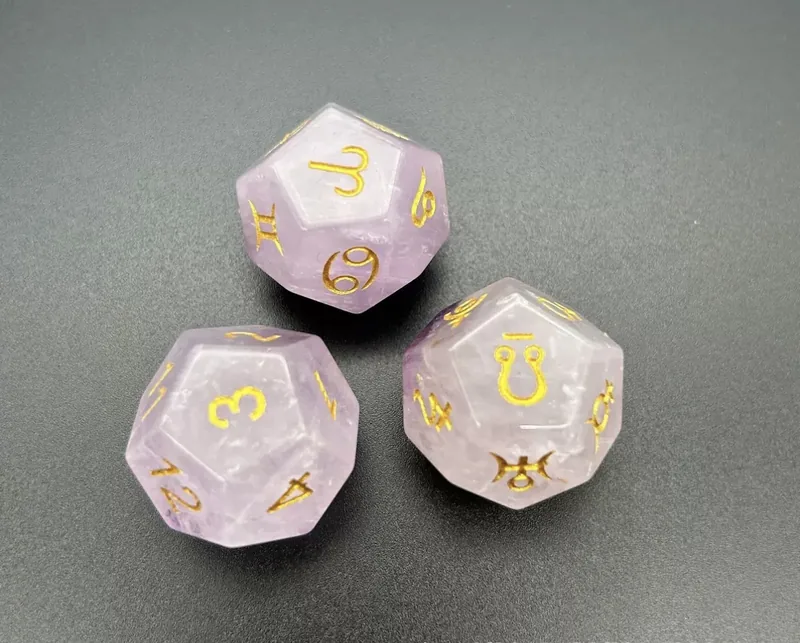
Best Crystals for Divination Dice: A Stone-by-Stone Guide
Which crystals make the best divination dice? A stone-by-stone look at amethyst, clear quartz, obsidian, rose quartz and more — their traditional meanings and how each engraves.
Read guide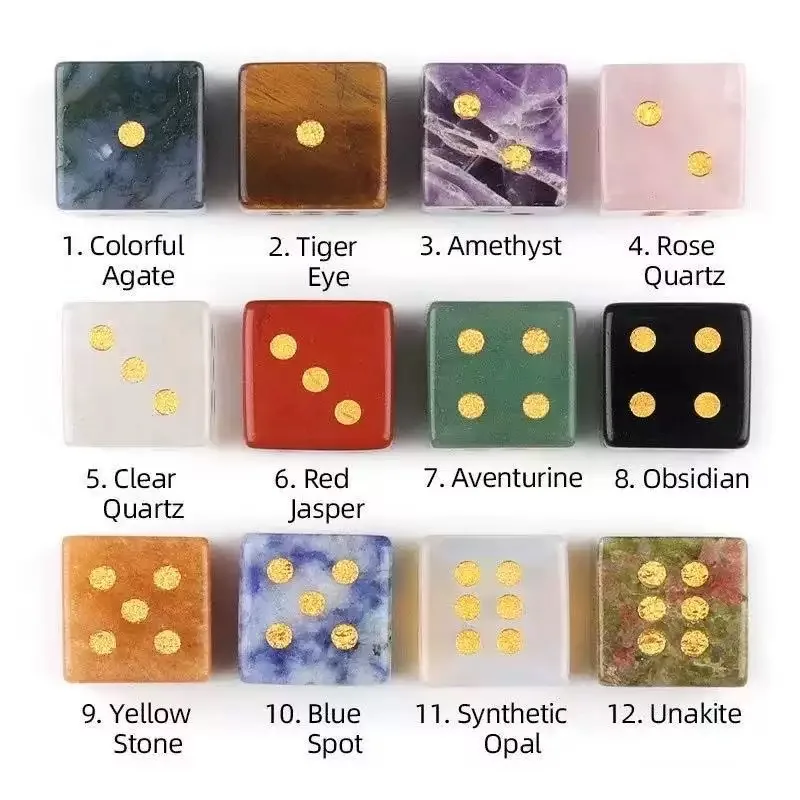
How to Make Custom Astrology Dice (Astro Dice): A Guide for Brands
Astrology dice are a set of three 12-sided dice for signs, planets, and houses. Here is how to design and manufacture a custom astro dice set for your brand.
Read guide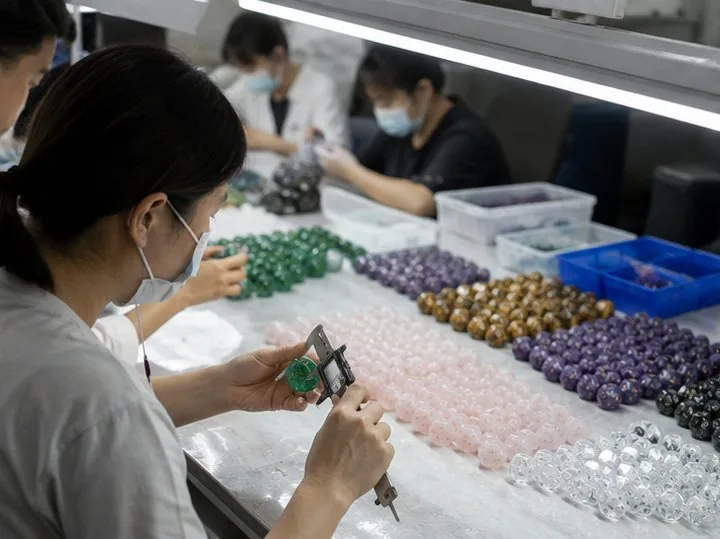
How to Protect Your Custom Dice Design When Working with an OEM Factory
Worried a factory will copy or resell your dice design? Here are the concrete steps brands use to keep custom designs confidential when working with an OEM manufacturer.
Read guide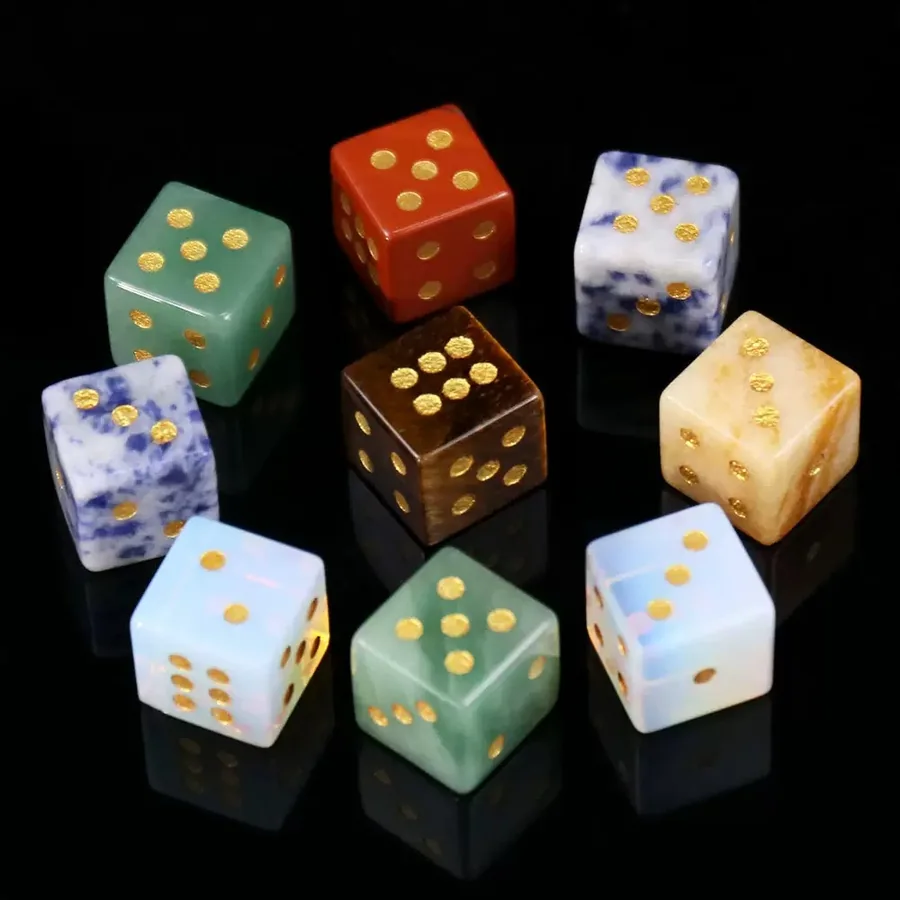
What Are Gemstone Divination Dice? Astro, Rune & Oracle Dice Explained
Divination dice trade numbers for symbols — zodiac signs, runes, and oracle prompts. Here is what they are, how each type is used, and why natural gemstone is the material buyers want.
Read guideCustom Gemstone Dice Cost: What Drives the Price and How to Lower It
Why gemstone dice cost more than resin, what goes into the price, and concrete ways to bring your unit cost down without hurting quality.
Read guide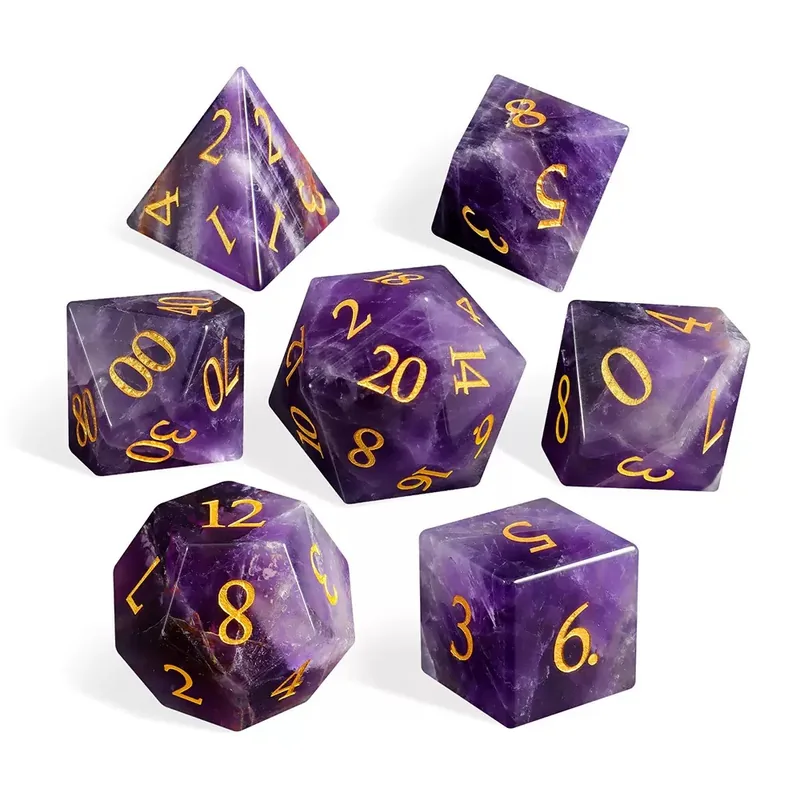
Are Gemstone Dice Real Stone? Natural, Dyed, and Synthetic Explained
Not everything sold as "gemstone dice" is natural stone. Here is how to tell natural from dyed or synthetic, and what to ask a supplier before you buy.
Read guideHow to Choose Gemstone Dice for Your D&D Class
Amethyst for the wizard, obsidian for the barbarian, lapis lazuli for the cleric. A lore-friendly guide to pairing natural gemstone dice with your D&D class — and the meaning behind each stone.
Read guide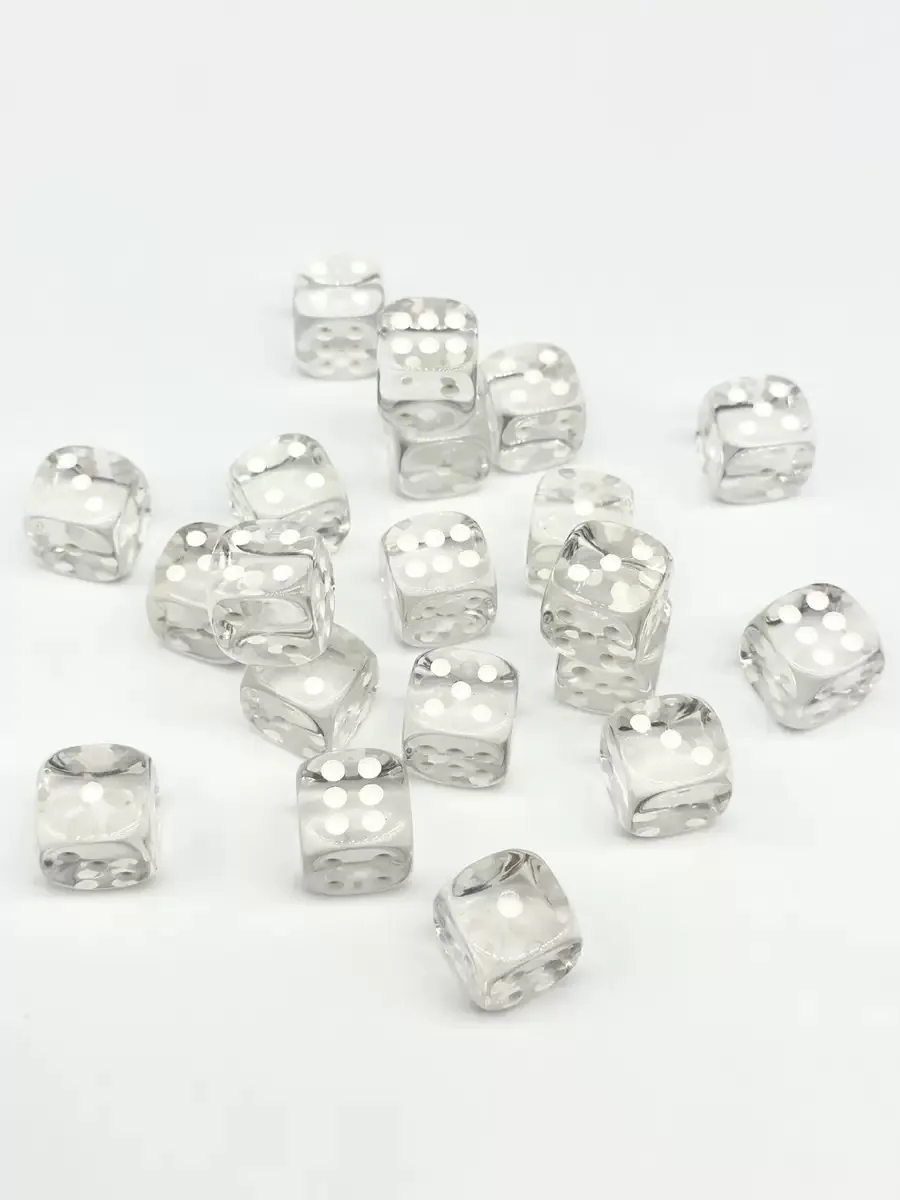
How to Roll Gemstone Dice Without Breaking Them: Care & Dice Tray Guide
Gemstone dice are gorgeous but they are still natural stone. A simple guide to rolling, storing, and choosing the right dice tray so your set survives years of tabletop play.
Read guide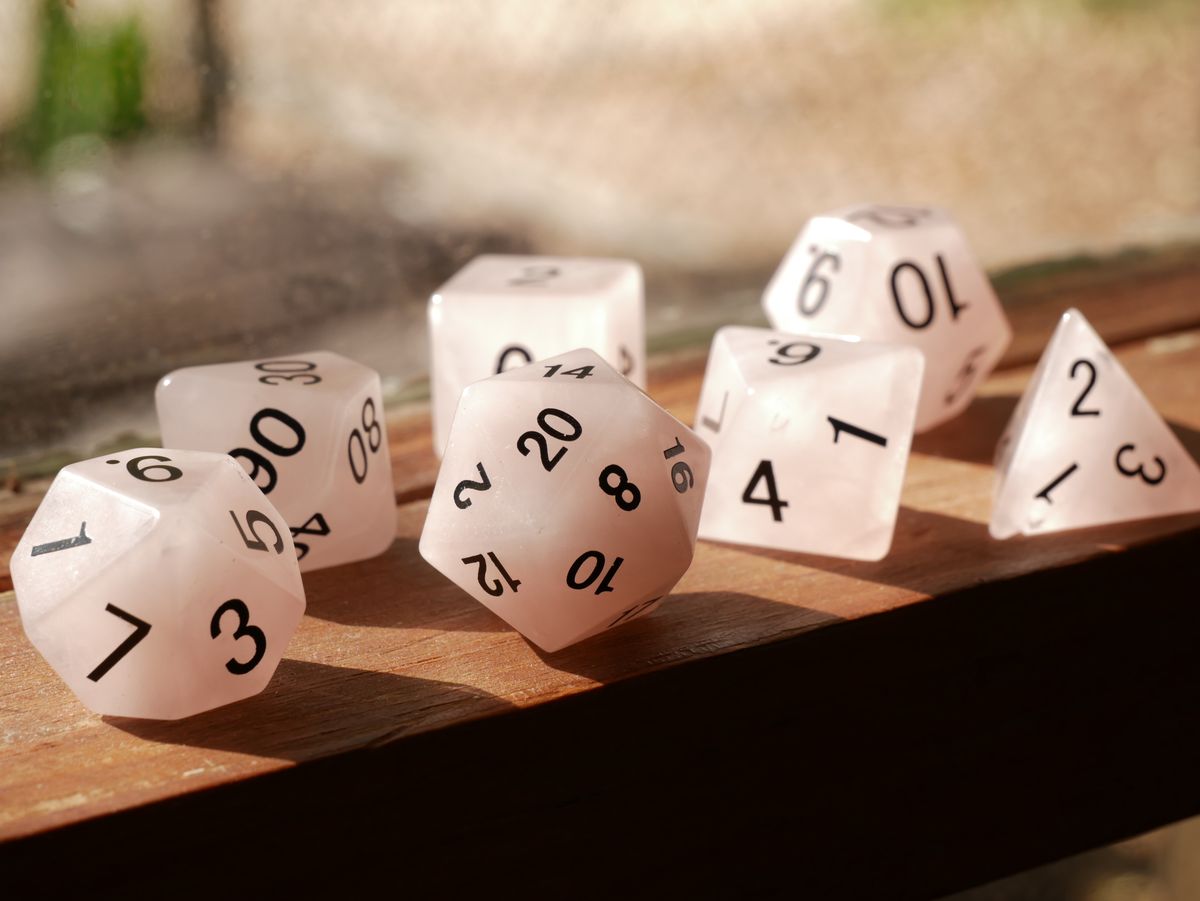
Custom D&D Dice: Numbering, Symbols, and Logo Engraving Options
From swapping the 20 for your logo to custom fonts and ink colors — here are the ways to make a D&D dice set unmistakably yours.
Read guide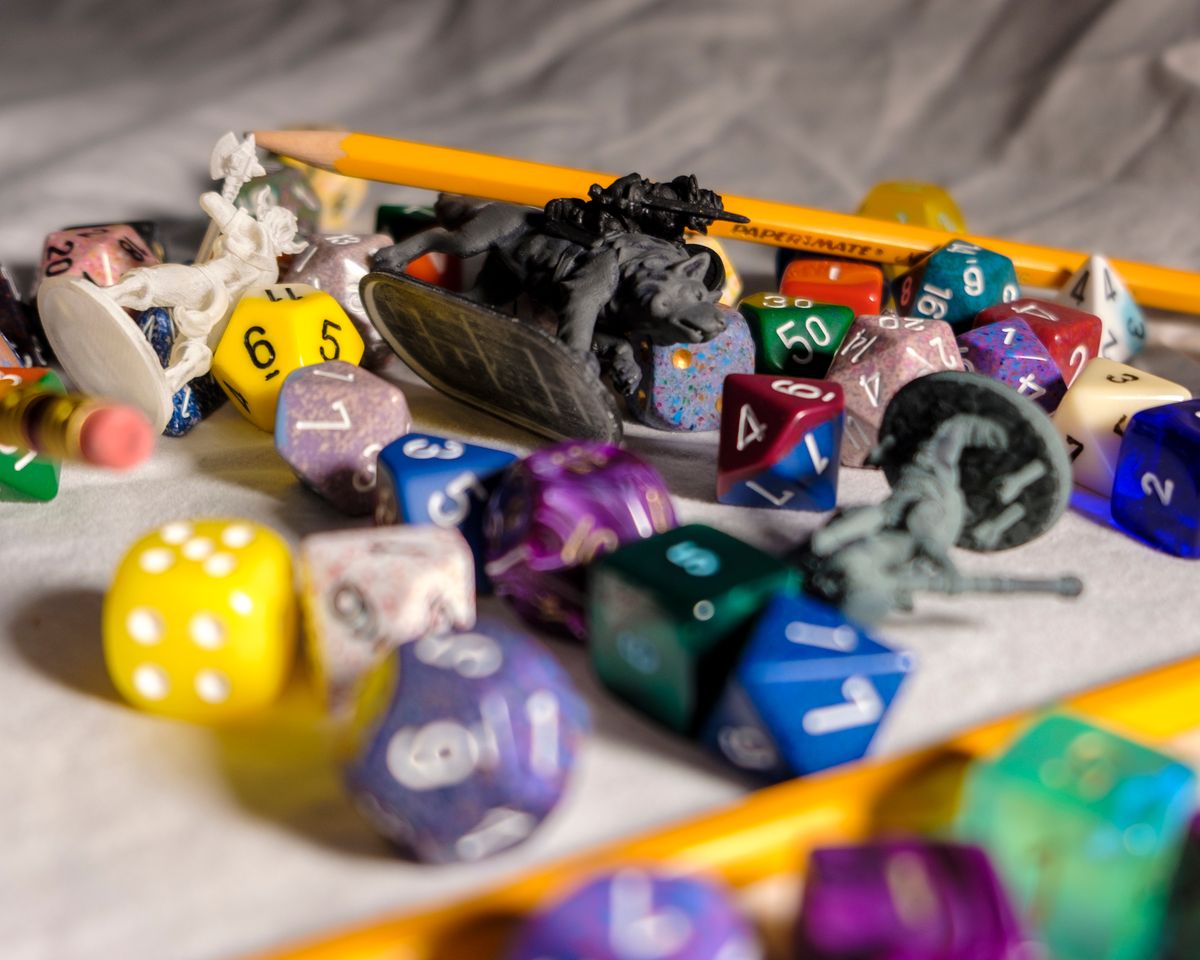
Wholesale & Bulk D&D Dice: MOQ, Pricing, and Lead Times
Buying D&D dice at wholesale volume? Here is how MOQ, pricing, and lead times actually work when you order in bulk from the factory.
Read guide
How to Launch Your Own D&D Dice Brand: A Manufacturing Guide
Want to start your own D&D dice brand? Here is the path from idea to a production-ready, branded 7-piece set — and what it costs.
Read guide
Glow-in-the-Dark and Special-Effect Dice: A Guide
Glow, glitter, color-shift, and liquid-core dice turn a set into a showpiece. Here’s how each effect works and what to keep in mind when ordering.
Read guide
Balanced Dice and Quality Control: How Fair Dice Are Made
Fair dice aren’t an accident — they come from accurate geometry, consistent density, and disciplined quality control. Here’s how factories get there.
Read guideCustom Dice for Board Game Publishers: A Production Guide
Publishing a game with custom dice? Here’s what to know about symbols, color coding, MOQ, and fitting dice into a full component production schedule.
Read guideWhy Faceted Gemstone Dice Balance Matters in TTRPG Gaming
Roll balance is the difference between a collectible and a usable die. Why it is harder with natural stone — and how to source gemstone dice that roll fair.
Read guide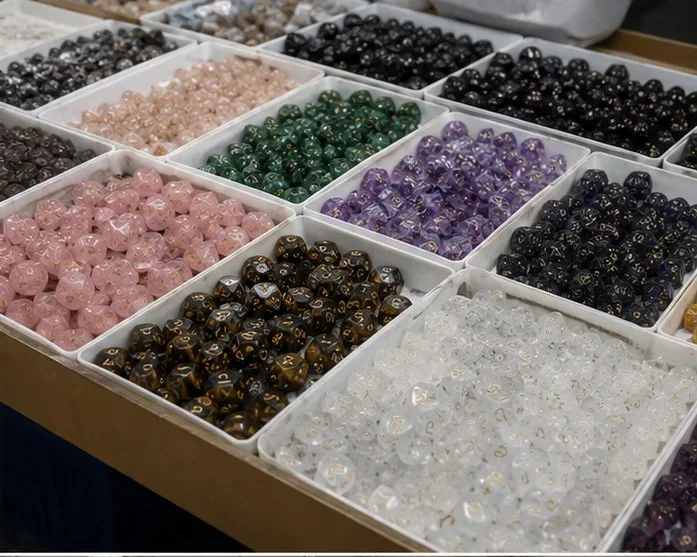
A Boutique Owner's Guide to Sourcing Custom Mineral Crafts
Sourcing custom mineral crafts for your shop? A practical guide to MOQs, retail-ready packaging, logistics, and vetting a real factory vs a reseller.
Read guide
Can You Get Fast Delivery for Gemstone Dice? Yes — Here’s How
Stocked gemstone dice models let you get samples and small orders fast — ideal for tight Kickstarter and launch deadlines.
Read guide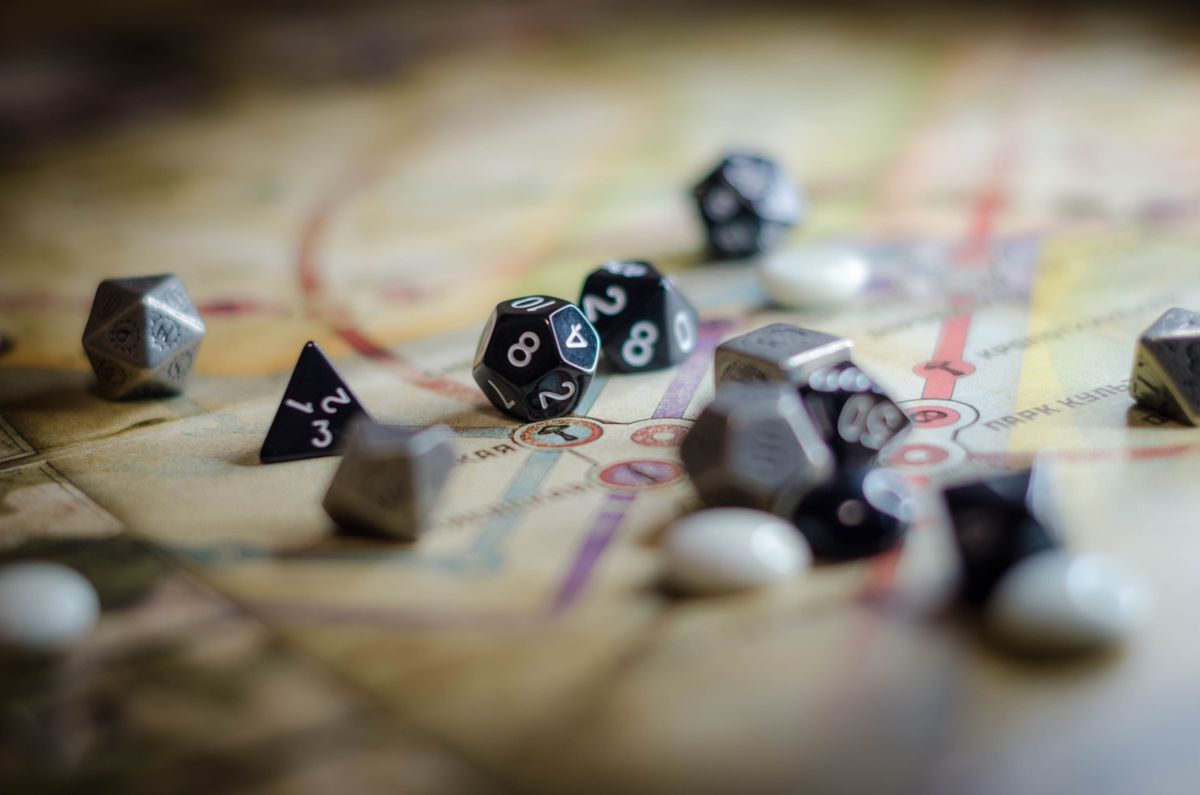
The Polyhedral Dice Set Explained: d4 to d20
A plain-English tour of the standard 7-piece polyhedral set: what each die looks like, what it’s used for, and how it can be customized.
Read guide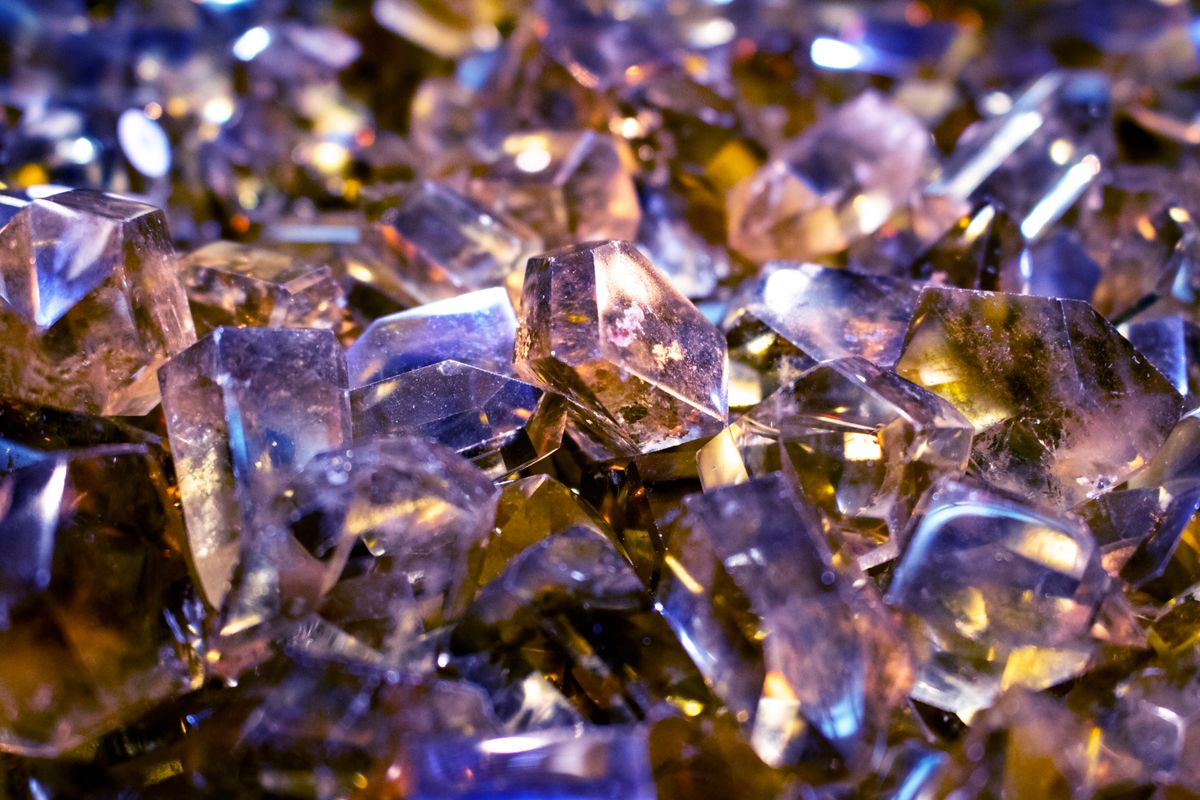
Custom Gemstone Dice Manufacturing Process Explained
How gemstone dice go from raw stone to a balanced, polished, collector-grade set — the seven production steps.
Read guide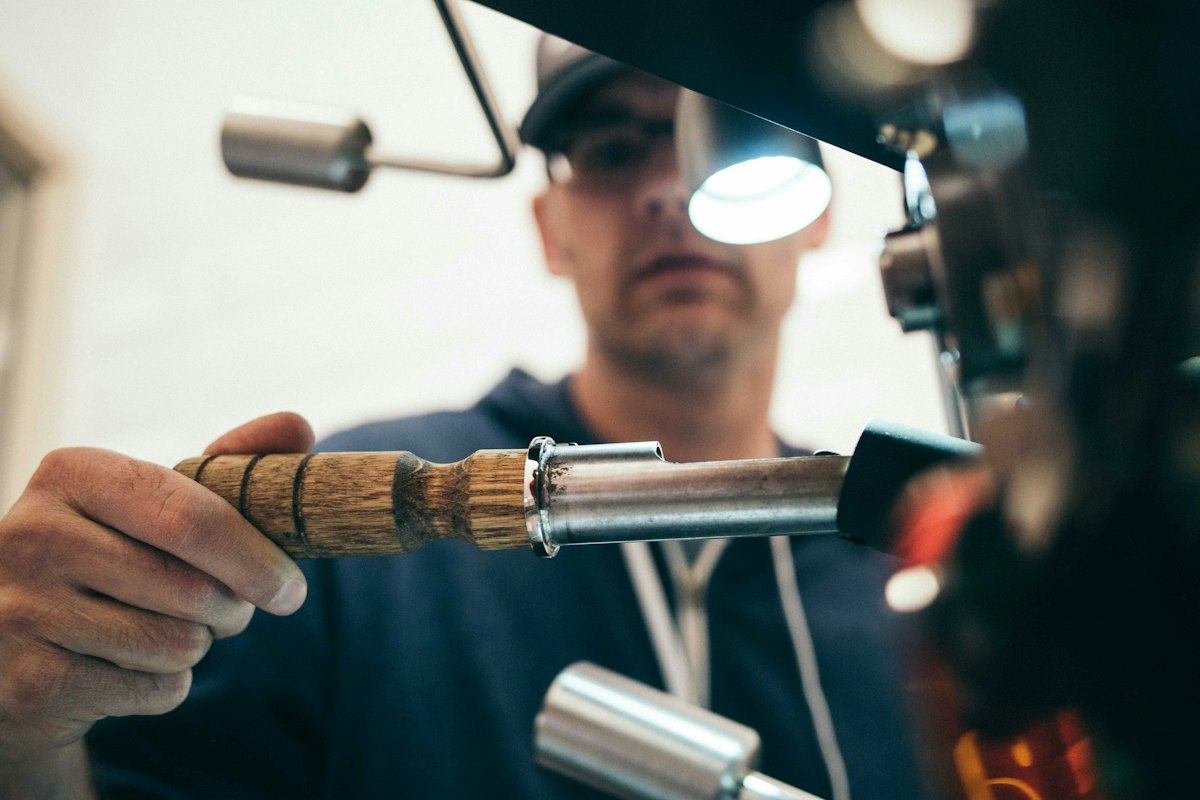
How to Choose a Custom Dice Manufacturer in China
A practical checklist for vetting a custom dice supplier: how to tell a factory from a middleman, what to test, and the warning signs to walk away from.
Read guide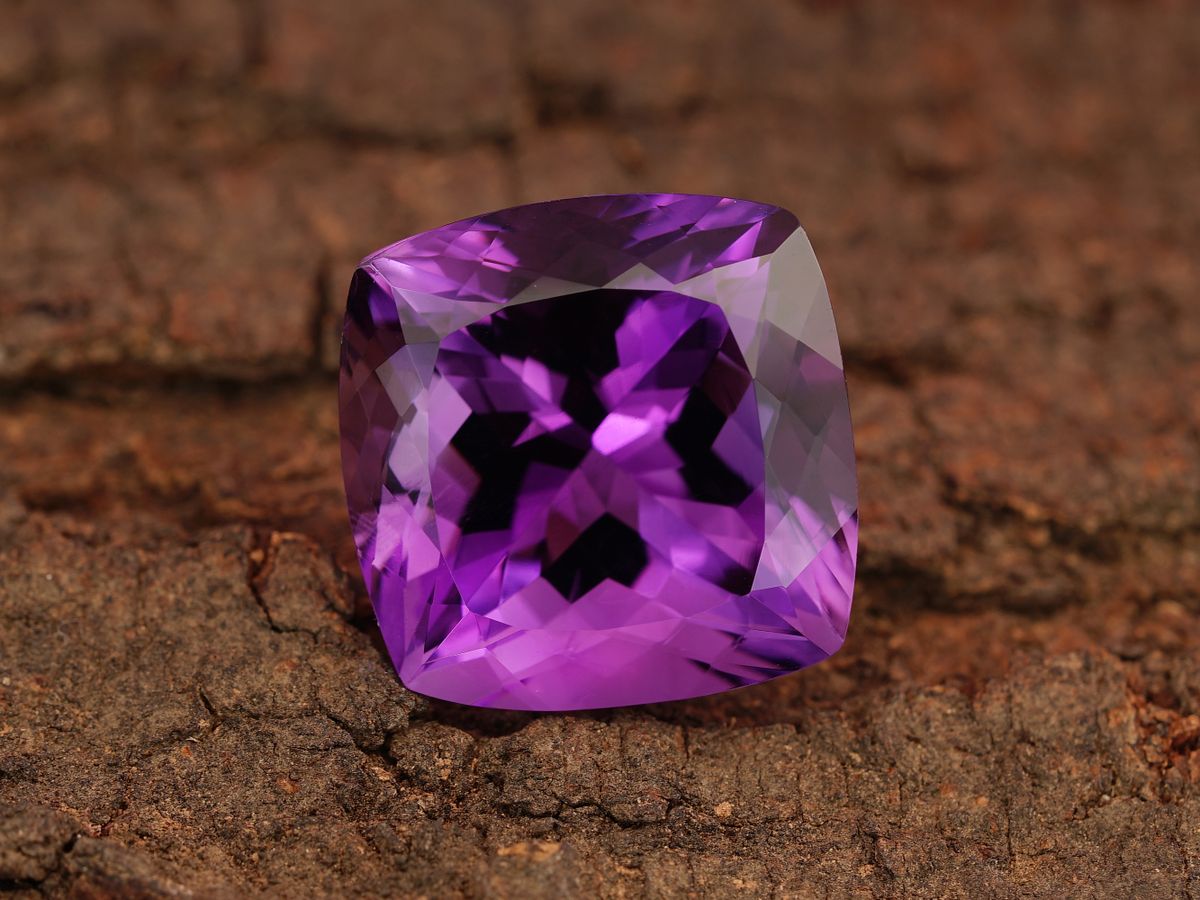
Gemstone Dice: What They Are and Why Premium Brands Choose Them
Gemstone dice are premium dice cut from natural stone — heavier, more luxurious, and ideal for collector-grade products.
Read guideHow to Order Custom Dice: The Step-by-Step Process
Ordering custom dice for the first time? Here’s exactly what happens at each stage, what to prepare, and how long it takes.
Read guideCustom Dice for Kickstarter Creators: A Practical Guide
Timelines, samples, MOQ, and fulfillment tips for running a successful custom dice Kickstarter without nasty surprises.
Read guide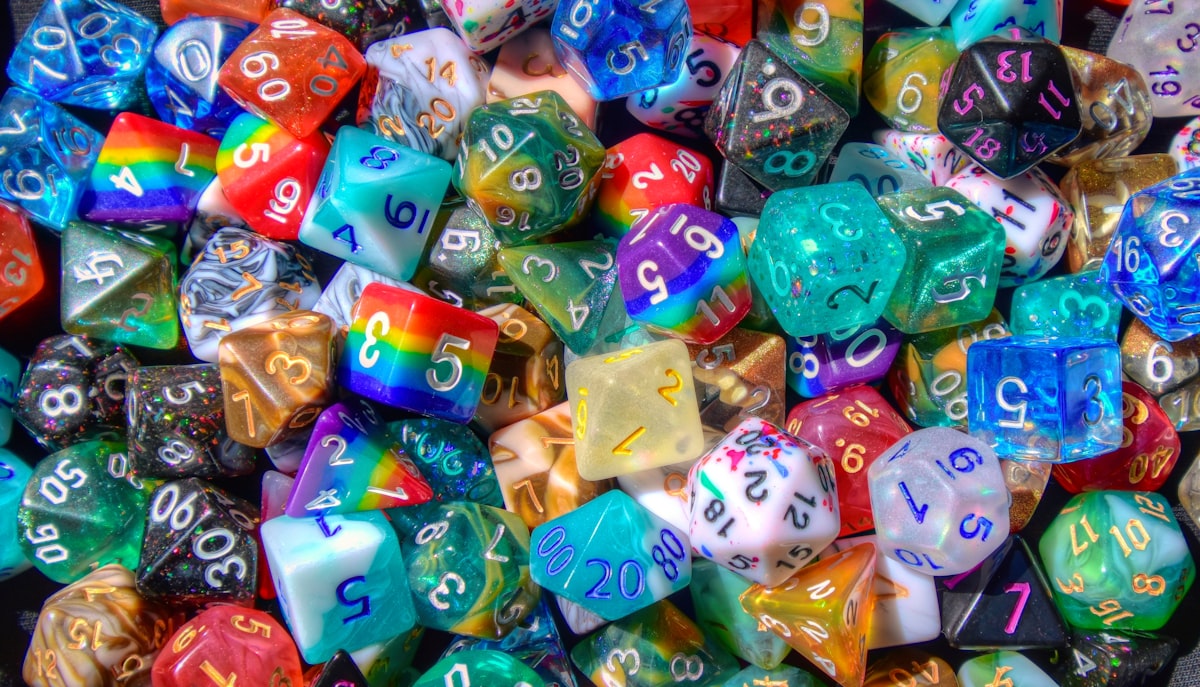
Custom Dice Packaging: Options, Branding, and Costs
Packaging shapes the unboxing moment and the perceived value of a dice set. Here are the main options, branding choices, and what they cost.
Read guide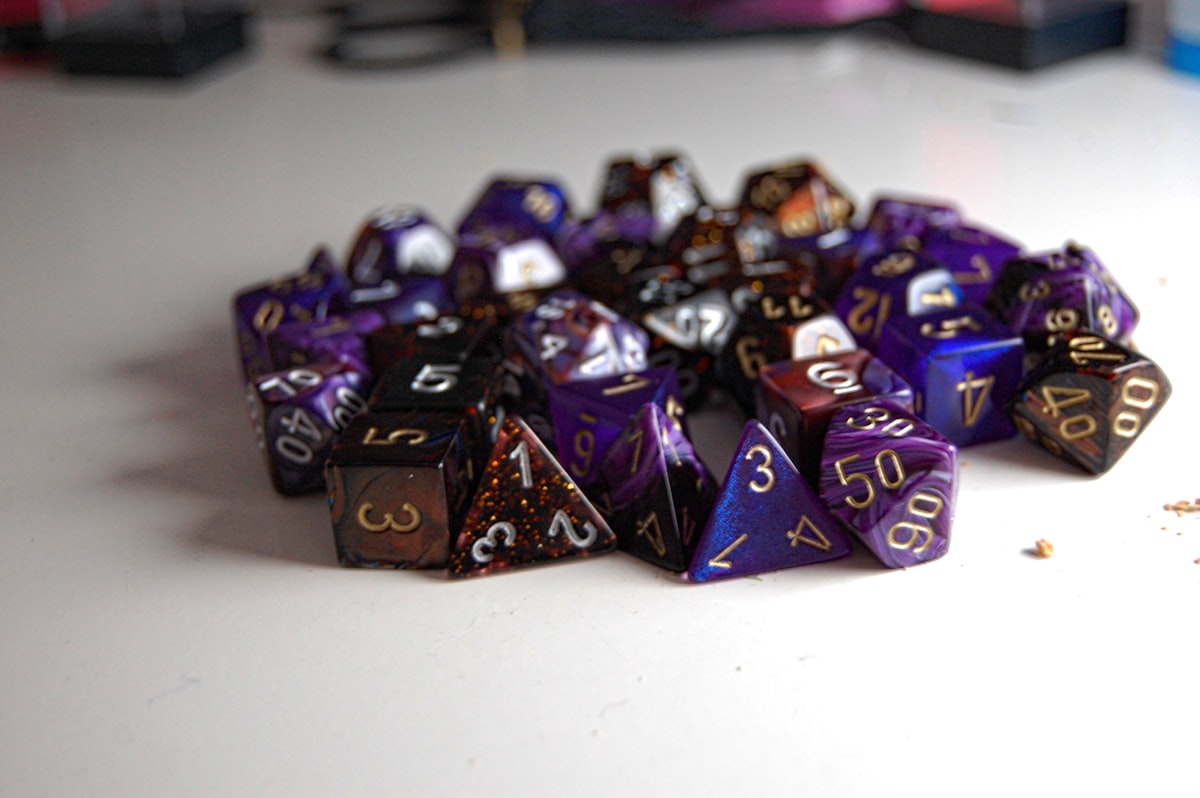
Electroplated Dice Explained: Finishes, Durability, and Cost
Gold, silver, black nickel, rainbow — how electroplating works on metal dice, how durable it is, and what it costs.
Read guide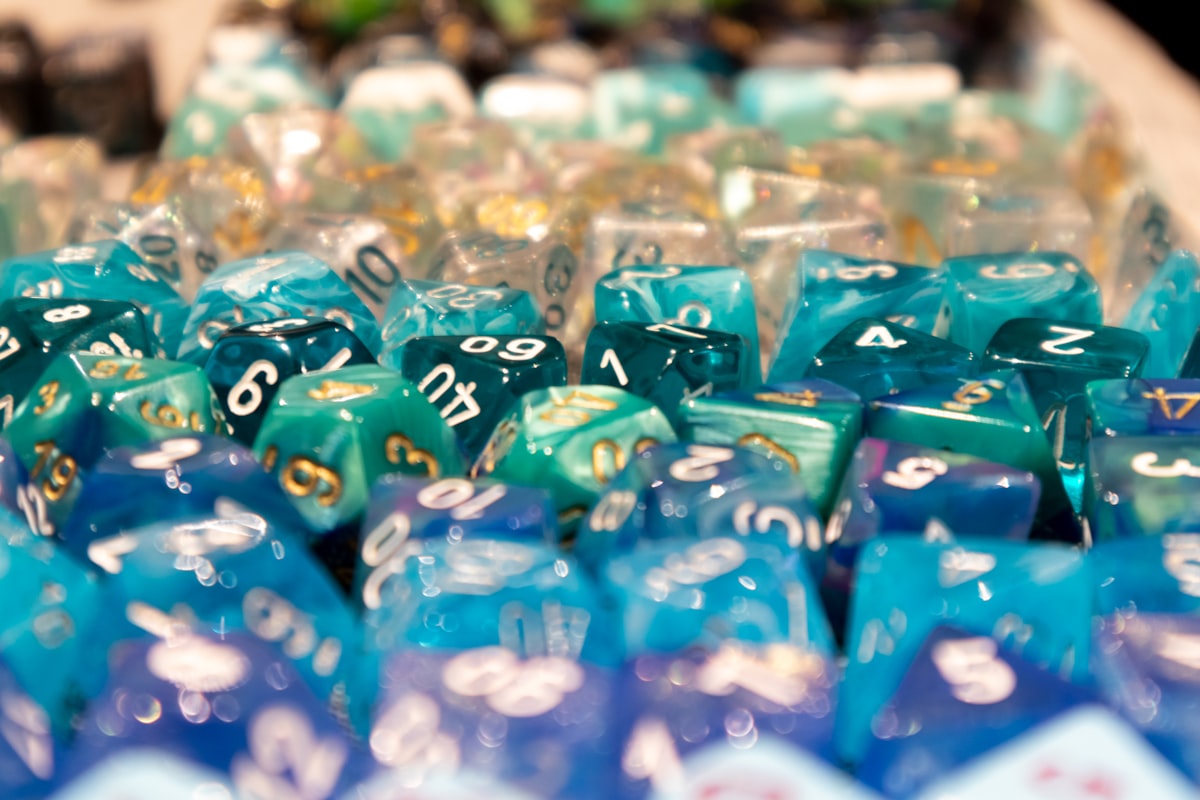
How to Design Custom Dice: A Step-by-Step Guide
From a rough idea to a production-ready spec: the decisions that shape a custom dice set, in the order a factory needs them.
Read guideHow Long Does Custom Dice Production Take?
From sample to delivery: realistic lead times for custom dice by material, and how to plan around your launch date.
Read guide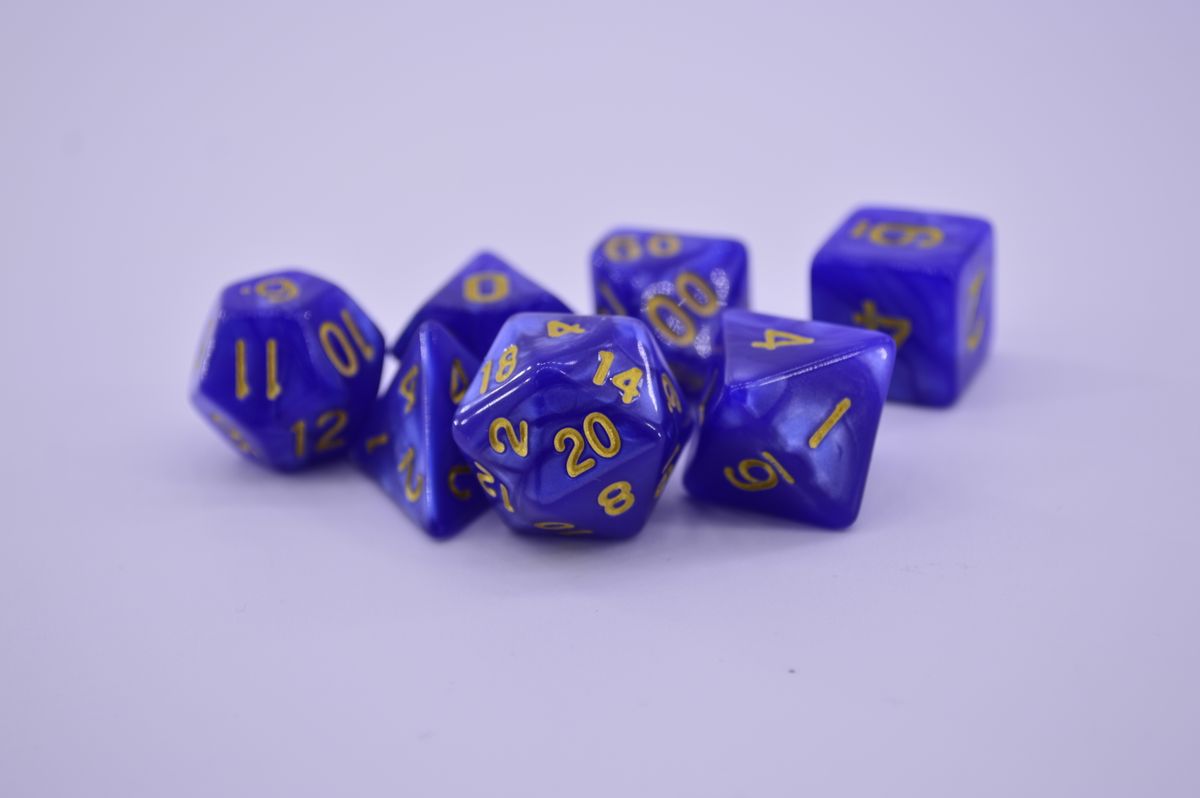
Sharp-Edge vs Rounded Dice: Which Should You Choose?
The difference between sharp-edge and rounded dice goes beyond looks — it affects feel, fairness, price, and how they’re made. Here’s how to choose.
Read guideMOQ Guide for Custom Dice Orders
What MOQ means for custom dice, typical minimums by material, and practical ways to keep your first order affordable.
Read guideCustom Metal Dice: Materials, Finishes, and What to Expect
Everything that goes into a premium metal dice set: zinc alloy vs brass, plating options, the heft buyers love, and realistic MOQ and lead times.
Read guide
Acrylic vs Gemstone Dice: A Cost and Quality Comparison
Acrylic is affordable and consistent; gemstone is premium and unique. Here is how they compare on cost, MOQ, and quality.
Read guideHow Custom Dice Are Manufactured: A Factory Guide
From design files to a finished polyhedral set: the materials, tooling, and production steps behind custom dice manufacturing.
Read guide