
Electroplated Dice Explained: Finishes, Durability, and Cost
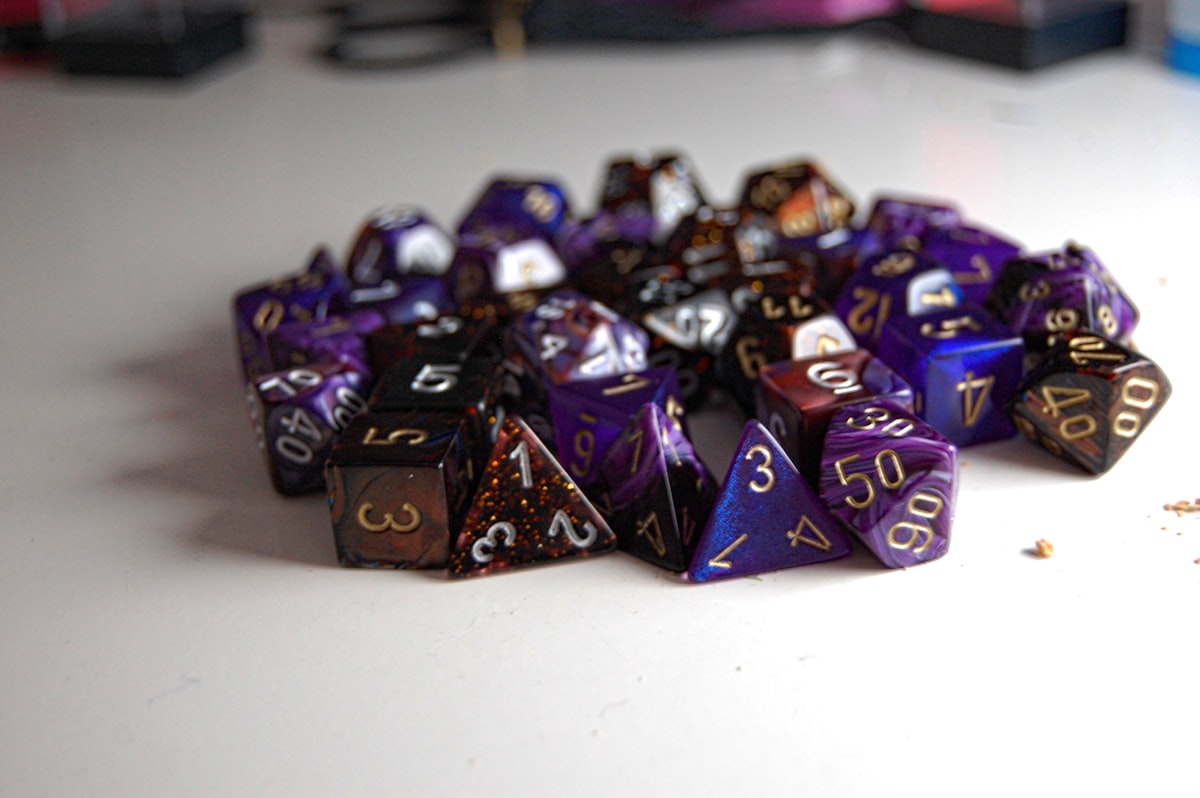
Electroplated dice are metal dice finished with a thin layer of another metal or coating to achieve premium looks like gold, silver, black nickel, or rainbow. Plating is one of the most popular ways to add a high-end feel to a dice set.
What is electroplating?
Electroplating uses an electric current to deposit a thin metal layer onto a base metal die (usually zinc alloy or brass). The result is a durable, uniform finish that changes the color and shine without changing the shape of the die.
Common plating finishes
- Gold and rose gold — warm, premium look
- Silver / chrome — bright, classic metallic
- Black nickel / gunmetal — modern, stealthy
- Rainbow / PVD — iridescent multi-color coating
- Antique copper / brass — vintage tone
Which dice can be plated?
Plating is for metal dice (zinc alloy, brass, copper). Resin, acrylic, and gemstone dice are not electroplated — their color comes from pigments or the natural stone itself.
Durability and care
Quality plating is hard-wearing, but like any coating it can show wear over years of heavy use. Storing sets in a tray or pouch and avoiding harsh chemicals keeps the finish looking new. Rainbow/PVD coatings are generally the most scratch-resistant.
Frequently asked questions
Does the plating on metal dice wear off?
Quality electroplating is durable and resists everyday use. Heavy long-term wear can eventually show on edges; PVD/rainbow coatings are the most scratch-resistant.
Are electroplated dice more expensive than solid metal?
Plating adds a finishing step and cost, but it is usually cheaper than using a solid precious metal while still delivering a premium look.
How are rainbow dice made?
Rainbow dice use a PVD (physical vapor deposition) coating on metal that creates an iridescent, multi-color finish.
Have a custom dice project?
Send us your spec sheet — we'll reply with a detailed quote within 24 hours.
Get a Free Quote